The Question
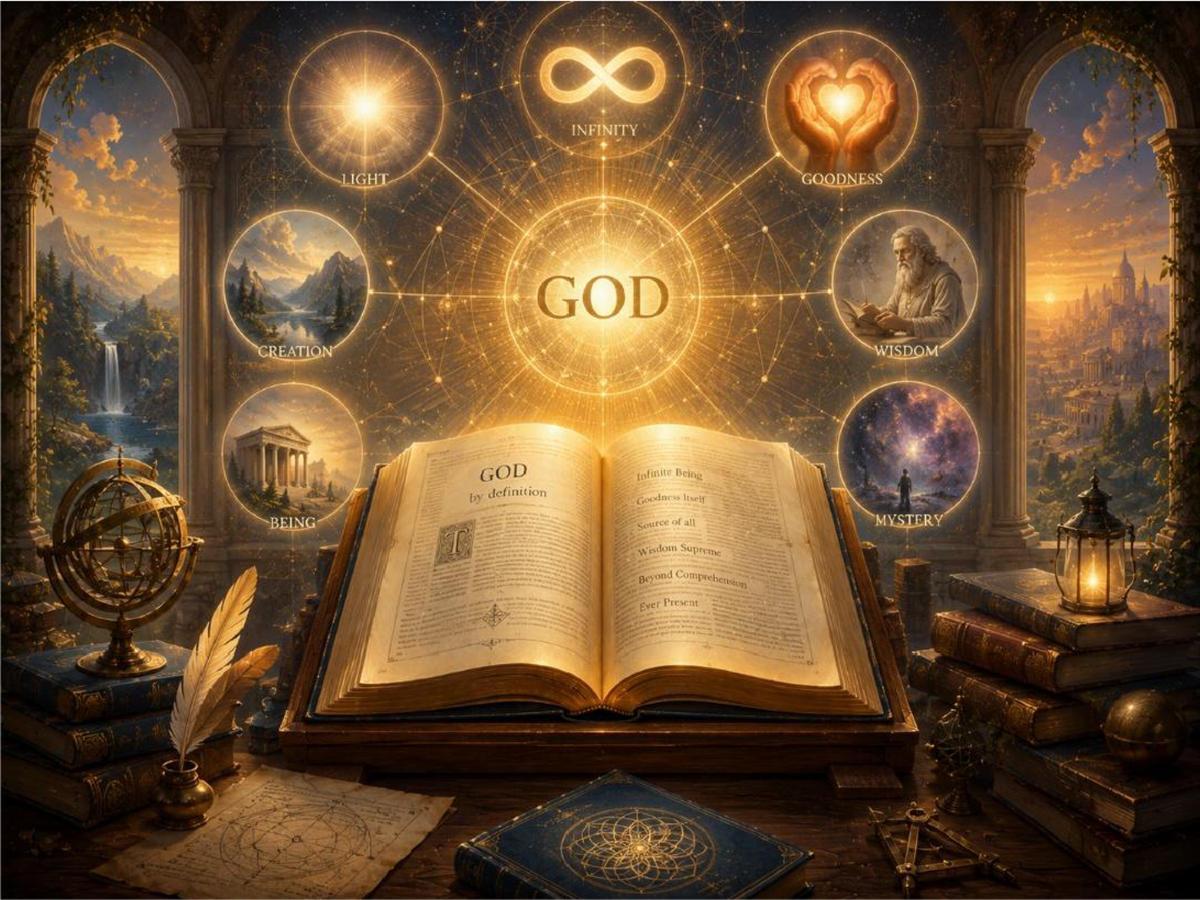
Where did GOD come from?
Mildred Harris Salery
Introduction
This is one of the oldest and deepest questions in philosophy and theology. Different worldviews give very different answers, and none of them can be settled by empirical science alone, because the question concerns whether anything exists outside the chain of physical causes and effects.
II
Major Perspectives
Classical Theism
Judaism, Christianity, Islam, and much of classical philosophy
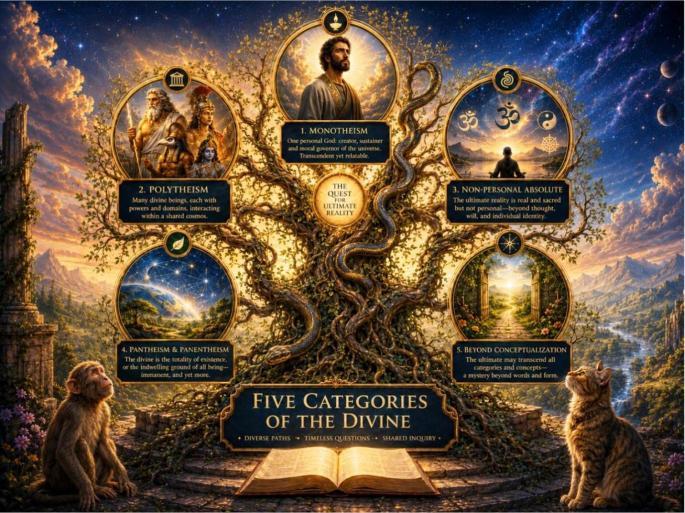
In these traditions, God is not the kind of thing that “comes from” anywhere. God is described as necessary, eternal, and self-existent (a property sometimes called aseity). Everything else in existence is contingent—it could have failed to exist and depends on something else for its existence—while God is the uncreated ground of all contingent things.
Asking “where did God come from?” is therefore treated as a category mistake, similar to asking “what is north of the North Pole?” or “what caused the laws of logic?” The classical arguments (cosmological, ontological, and others) try to show that an infinite regress of causes is impossible or unintelligible, so there must be at least one uncaused cause. Thomas Aquinas, for example, argued that there must be a being whose essence is simply to exist, rather than a being that receives existence from something prior.
III
Other Religious and Mythic Traditions
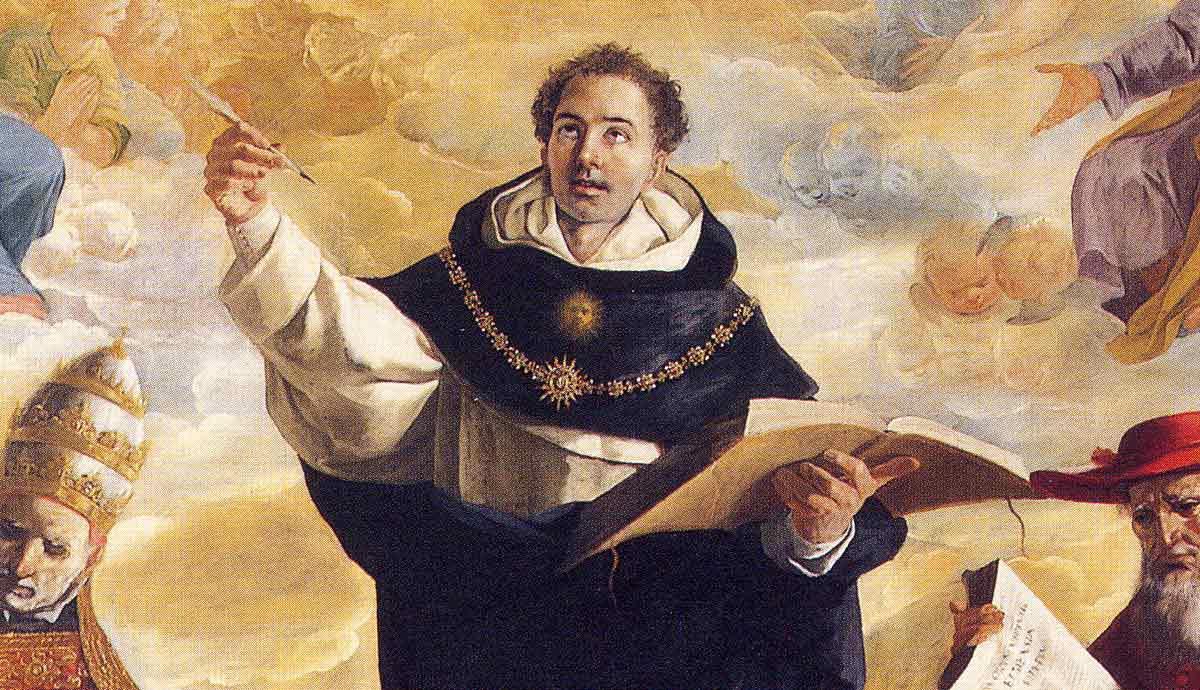
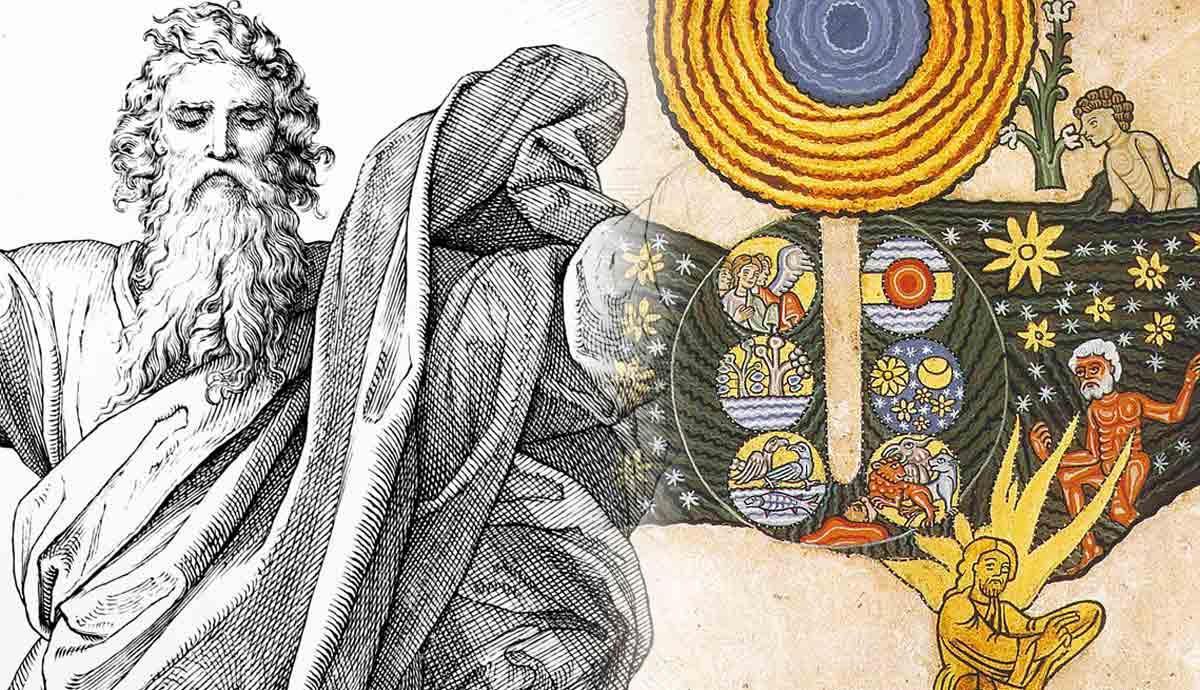
Many polytheistic systems do give gods origins. In Greek myth the Olympians arise from earlier generations (Chaos, Gaia, the Titans). In some Hindu schools there are cycles of creation and dissolution, and deities themselves can be manifestations or products of a more fundamental reality (Brahman). Buddhism and certain other non-theistic Indian traditions generally reject the idea of a creator God altogether; the universe is understood as beginningless or as arising through dependent origination without a first cause.
IV
Atheistic and Naturalistic Views
If no God exists, the question does not arise. On this view, concepts of God are human cultural products—arising from psychological, social, and historical factors—and therefore have ordinary human origins. Philosophers in this tradition (Hume, Russell, contemporary naturalists) often argue that positing an uncaused God simply relocates the mystery rather than solving it, and that an infinite series of causes, or a universe that simply exists as a brute fact, is no more problematic than an uncaused deity. Some also note that the “why is there something rather than nothing?” question applies with equal force to God: if God’s existence needs no explanation, why should the universe’s?
V
Philosophical Issues That Cut Across Views
- Infinite regress
- Many thinkers (theistic and otherwise) find an infinite chain of prior causes unsatisfying. Others accept it or argue that causation itself only applies inside time, so it cannot be used to ask about the origin of time or of a timeless being.
- Necessary vs. contingent existence
- Theists typically claim God exists necessarily (in every possible world). Critics reply that we have no clear way to establish that any concrete being must exist necessarily.
- Science and the Big Bang
- Modern cosmology describes the early universe in physical terms, but it does not address whether there is a non-physical ground of existence. The laws of physics, the initial conditions, or a multiverse are still contingent features that invite further “why” questions; they do not by themselves answer or refute the classical theistic claim.
VI
Bottom Line
There is no consensus answer, because the question turns on whether one accepts that something can exist without a prior cause, and if so, what that something is. Classical theism says God is that uncaused reality. Other traditions locate ultimate reality elsewhere or deny that any such reality is personal or divine. Naturalism treats the question as either meaningless or as pointing only to further physical or mathematical structure. Each position rests on background assumptions about explanation, necessity, and what counts as a satisfactory stopping point for “why” questions.
— End of Document —